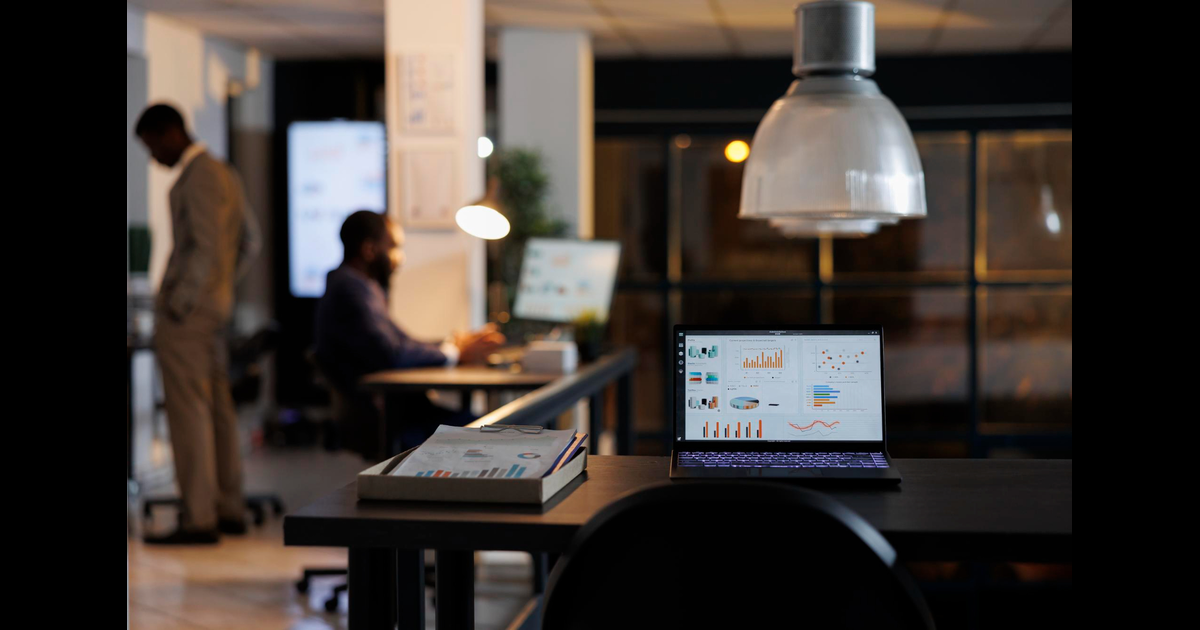
The modern workplace has changed dramatically over the past few years. Today, many successful companies operate without traditional offices, relying instead on remote teams, cloud-based systems, and digital collaboration tools.
This shift has given rise to the remote-first business model, where companies are designed to operate remotely from the start.
In 2026, entrepreneurs are increasingly looking for business environments that support flexibility, cost efficiency, and digital operations. This is one reason why many founders are choosing RAKEZ (Ras Al Khaimah Economic Zone) as their preferred business setup destination.
This guide explores how RAKEZ supports remote-first businesses and why it has become an attractive option for modern entrepreneurs.
What is a Remote-First Business?
A remote-first business is a company that primarily operates through digital communication and online systems rather than relying on a physical office.
Examples include:
- Digital marketing agencies
- SaaS companies
- IT consulting firms
- E-commerce businesses
- Online education providers
- Business consultants
- Content creation agencies
- Technology startups
These businesses prioritize flexibility and often serve clients globally.
Important Insight
Remote-first businesses focus on productivity and results rather than physical location.
Why Remote-First Businesses Are Growing
Several factors have contributed to the growth of remote work:
- Improved technology
- Cloud-based collaboration tools
- Global talent access
- Reduced operating costs
- Greater workforce flexibility
As a result, many entrepreneurs are building companies that can operate from anywhere.
Important
The ability to work remotely has become a competitive advantage for many businesses.
How RAKEZ Supports Remote-First Businesses
1. Supports Flexible Business Operations
Remote-first companies require business structures that allow them to operate efficiently without relying heavily on physical infrastructure.
RAKEZ provides a flexible environment that supports businesses focused on:
- Digital services
- Online operations
- Remote collaboration
- International business activities
This flexibility allows entrepreneurs to build companies that align with modern work models.
Important Insight
Business flexibility is critical for remote-first growth.
2. Helps Reduce Operating Costs
One of the biggest advantages of remote work is lower overhead.
Remote-first businesses often avoid expenses such as the following:
- Large office rentals
- Extensive facility costs
- Additional operational overhead
By keeping costs under control, founders can invest more resources into:
- Marketing
- Technology
- Talent acquisition
- Business growth
Important
Lower expenses often create greater financial stability during the startup phase.
3. Ideal for Digital Entrepreneurs
Many remote-first companies are digital businesses by nature.
Examples include:
- Web development agencies
- Software companies
- Digital consultancies
- E-commerce brands
- Online coaching businesses
RAKEZ appeals to entrepreneurs who want to build and scale digital businesses efficiently.
Important Insight
Digital businesses often prioritize flexibility over physical presence.
4. Supports Global Client Relationships
Remote-first businesses frequently serve clients across multiple countries.
This allows entrepreneurs to:
- Expand beyond local markets
- Build international customer bases
- Diversify revenue sources
- Increase growth opportunities
RAKEZ supports businesses with global ambitions and international operations.
Important
Global reach is often easier to achieve through remote business models.
5. Enables Access to Global Talent
Remote work allows companies to recruit talent from different locations rather than limiting hiring to a single city.
Benefits include:
- Larger talent pools
- Specialized expertise
- Flexible workforce structures
- Reduced recruitment limitations
This can help businesses remain competitive as they grow.
Important Insight
Access to skilled talent is a major driver of business success.
6. Supports Lean Startup Models
Many successful startups begin with small teams and limited budgets.
Remote-first operations allow founders to
- Test ideas quickly
- Manage expenses carefully
- Focus on customer acquisition
- Scale gradually
RAKEZ supports entrepreneurs who prefer lean and sustainable growth strategies.
Important
Starting lean often reduces financial pressure during early growth stages.
7. Encourages Business Agility
Remote-first businesses can often respond to market changes more quickly.
They may be able to:
- Launch new services faster
- Adapt to customer needs
- Enter new markets
- Scale operations efficiently
This agility is increasingly valuable in today’s fast-changing business environment.
Important Insight
Adaptability is one of the greatest strengths of remote-first companies.
Why More Entrepreneurs Are Choosing Remote-First Models
Modern founders are increasingly prioritizing the following:
- Flexibility
- Efficiency
- Cost control
- Global reach
- Sustainable growth
Rather than investing heavily in physical infrastructure, many entrepreneurs focus on building scalable digital operations.
Important
Business success is increasingly driven by efficiency rather than size.
Common Challenges Remote Businesses Face
1. Communication Management
Remote teams need effective communication systems.
2. Team Collaboration
Businesses must create processes that support productivity.
3. Maintaining Company Culture
Strong leadership helps keep teams connected.
4. Managing Growth
Rapid expansion requires careful planning.
5. Operational Consistency
Clear systems help maintain quality and performance.
How RAKEZ Helps Businesses Grow Sustainably
Many remote-first businesses succeed because they focus on:
- Cost management
- Strategic growth
- Operational flexibility
- Financial discipline
RAKEZ supports these principles by providing an environment that aligns with modern entrepreneurial needs.
Important Insight
Sustainable growth often comes from strong foundations and efficient operations.
The Future of Remote-First Businesses
The trend toward remote work is expected to continue as businesses seek:
- Greater flexibility
- Access to global talent
- Reduced operating costs
- Faster scalability
Companies that embrace digital operations are often better positioned to compete in a global economy.
Important
Remote-first businesses are no longer a trend—they are becoming a mainstream business model.
Final Thoughts
RAKEZ supports remote-first businesses by providing a flexible and cost-efficient environment that aligns with the needs of modern entrepreneurs.
For businesses focused on digital operations, global clients, and sustainable growth, RAKEZ offers a practical foundation for building and scaling a successful company.
As remote work continues to reshape the business landscape, more entrepreneurs are choosing business structures that support flexibility, efficiency, and long-term growth.
The Bottom Line
RAKEZ helps remote-first businesses by:
- Supporting flexible operations
- Reducing overhead costs
- Encouraging lean business models
- Enabling global growth
- Supporting digital entrepreneurs
- Promoting sustainable scalability
For many founders in 2026, these advantages make RAKEZ an attractive choice for launching and growing a remote-first business in the UAE.
FAQs
What is a remote-first business?
A remote-first business is a company that primarily operates through online systems and remote teams rather than relying on a traditional office.
Why are remote-first businesses becoming popular?
They offer flexibility, lower operating costs, access to global talent, and greater scalability.
Is RAKEZ suitable for digital businesses?
Yes. Many digital agencies, consultants, e-commerce companies, and technology startups choose RAKEZ.
Can remote businesses serve international clients?
Yes. Many remote-first companies operate globally and work with clients in multiple countries.
Why do startups prefer remote-first models?
Remote-first businesses often have lower overhead costs and greater operational flexibility.
Can remote businesses scale successfully?
Yes. Many companies start remotely and expand as demand and revenue grow.
Why is flexibility important for modern businesses?
Flexibility helps businesses adapt to market changes, improve efficiency, and support long-term growth.